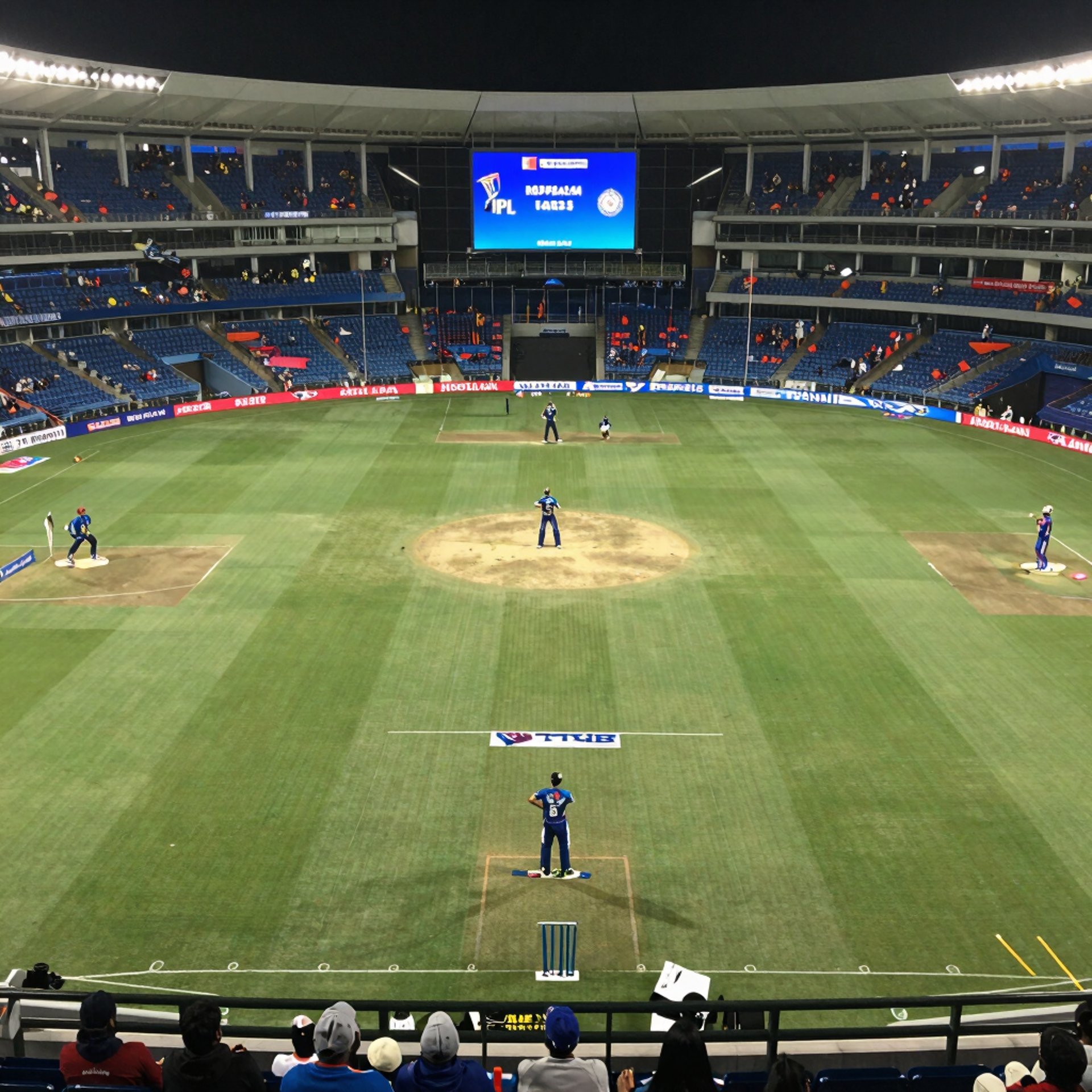
When New Zealand take on Afghanistan in a T20 World Cup clash, it’s more than a routine fixture — it’s a battle of contrasting cricket philosophies. One side thrives on structure and calculated execution, while the other weaponizes spin pressure and momentum swings.
This matchup is especially compelling because both teams dominate different phases of the game. New Zealand rely on composure, rotation, and disciplined bowling plans. Afghanistan aim to disrupt rhythm with aggressive spin and fearless batting intent.
For fantasy players, analysts, and serious cricket followers, understanding tactical roles, pitch behavior, and phase control is far more valuable than simply backing big names. This preview breaks down team dynamics, player impact zones, pitch strategy, fantasy logic, and a reasoned prediction — built for readers who want insight, not hype.
Match Context & Tactical Background
Modern T20 cricket rewards adaptability, and this contest perfectly illustrates that principle.
New Zealand’s tactical framework
New Zealand operate through defined roles and controlled tempo:
- Structured top-order batting
- Strike rotation against spin
- Multi-skill bowling balance
- Situational captaincy decisions
Their system reduces volatility. Instead of depending on individual brilliance, they distribute responsibility across match phases.
Afghanistan’s disruption model
Afghanistan play high-impact cricket driven by spin dominance:
- Middle-overs choke through elite spin
- Aggressive powerplay intent
- Wicket-taking mindset
- Momentum-based scoring bursts
Their bowling attack alters match rhythm. Against teams uncomfortable versus spin, scoring pressure escalates quickly.
Tournament stakes heighten tactical discipline — early victories influence group positioning and net run rate, leaving little room for experimentation.
Probable Playing XI & Tactical Identity
These lineups reflect role balance and match logic rather than speculation.
New Zealand – Probable XI
Finn Allen — powerplay aggressor
Devon Conway — strike rotation anchor
Daryl Mitchell — tempo stabilizer
Glenn Phillips — middle overs accelerator
Mark Chapman — spin matchup option
Mitchell Santner — spin all-round control
James Neesham — flexible finisher
Ish Sodhi — attacking leg spin
Matt Henry — new-ball discipline
Lockie Ferguson — pace variation
Trent Boult — swing specialist
Tactical identity
- Powerplay scoring intent
- Bowling variety
- Left-right batting balance
- Flexible finishing depth
Afghanistan – Probable XI
Rahmanullah Gurbaz — aggressive opener
Ibrahim Zadran — stabilizing batter
Gulbadin Naib — utility contributor
Azmatullah Omarzai — pace all-rounder
Mohammad Nabi — experienced anchor
Rashid Khan — strike spinner
Mujeeb Ur Rahman — powerplay disruptor
Noor Ahmad — middle overs mystery spin
Fazalhaq Farooqi — swing bowler
Naveen-ul-Haq — death overs specialist
Karim Janat — role flexibility
Tactical identity
- Spin choke overs 7–15
- Early wicket aggression
- Bowling depth
- Multi-role batting core
Key Players to Watch
Finn Allen
High-risk, high-reward opener. Early survival often leads to rapid scoring bursts.
Devon Conway
Elite strike rotator — critical against spin-heavy phases.
Mitchell Santner
Middle-overs controller whose economy shapes match tempo.
Rashid Khan
Game-changing spinner capable of flipping momentum instantly.
Mujeeb Ur Rahman
Powerplay matchup specialist disrupting aggressive batting starts.
Rahmanullah Gurbaz
Momentum-driven batter who defines Afghanistan’s scoring ceiling.
Glenn Phillips
Spin counter-attacker with sweep and vertical hitting range.
Pitch Report & Tactical Conditions
A Chennai surface typically favors intelligent cricket over brute power:
- Spin grip increases as the match progresses
- Strike rotation becomes essential
- Controlled shot selection is rewarded
Strategic implications
Batting first: 160–175 is competitive with wickets preserved
Chasing: Requires calculated acceleration
Middle overs: Spin battles decide momentum
Weather conditions suggest uninterrupted play, though late dew could influence bowling grip.
Match Strategy Blueprint
New Zealand pathway to victory
- Stabilize against early spin pressure
- Maintain middle-overs rotation
- Bowl disciplined lines to Afghanistan’s aggressive hitters
- Apply fielding pressure
Afghanistan pathway to victory
- Break New Zealand’s top-order rhythm
- Enforce spin choke
- Sustain scoring momentum
- Execute death overs precisely
Match Prediction
This is a finely balanced tactical contest.
New Zealand advantages
- Structural batting stability
- Bowling depth
- Tactical adaptability
Afghanistan advantages
- Spin dominance
- Momentum creation
- Wicket-taking pressure
On spin-responsive conditions, Afghanistan gain leverage. However, New Zealand’s composure in middle overs provides a slight edge.
Projected scoring range
160–175 batting first
Moderate chase difficulty
Prediction: New Zealand marginal favorites — but Afghanistan remain a genuine upset threat if spin control dictates tempo.
Fantasy Cricket Strategy
Safe fantasy core
Devon Conway — consistency
Rashid Khan — all-phase impact
Mitchell Santner — economy + wickets
Glenn Phillips — matchup versatility
Captain choices
Primary: Rashid Khan — highest ceiling
Alternative: Devon Conway — reliability
Vice-captain options
Santner — spin value
Allen — powerplay upside
Risk-reward picks
Gurbaz — boom-or-bust
Neesham — role variability
Noor Ahmad — matchup dependent
League strategy
Small leagues: prioritize stability
Grand leagues: include ceiling-based gambles
Fantasy edge comes from phase awareness — powerplay hitters, middle overs spinners, and finishers define scoring swings.
FAQs
1. Who is favored to win?
New Zealand hold a slight structural advantage.
2. Best fantasy captain?
Rashid Khan offers the highest upside.
3. Is the pitch spin-friendly?
Yes — middle overs are crucial.
4. Core fantasy players?
Conway, Rashid, Santner, Phillips.
5. Expected team balance?
Spin-heavy, role-driven lineups.
Conclusion
NZ vs AFG is a tactical chess match disguised as T20 entertainment. Structure meets disruption, composure meets spin pressure. The middle overs will likely determine the outcome, where strike rotation clashes with bowling choke.
Fantasy success and match prediction both hinge on understanding roles, phases, and tactical execution. While New Zealand carry a marginal edge, Afghanistan’s ability to destabilize rhythm ensures a contest that remains unpredictable until the final overs.
For fans, analysts, and fantasy strategists, this is a game where cricket intelligence matters just as much as raw skill — and that’s what makes it compelling.
Comments (42)
Great analysis! I think the toss will be crucial. If India bats first and puts up 300+, it's game over for NZ.
Don't underestimate the Black Caps! We've won in India before. Williamson's leadership will make the difference.